NL Action Network

Action towards a Healthy NL

Established in 2025, NL Action Network is a non-profit dedicated to advancing public health in Newfoundland and Labrador. We focus on evidence-based practices and empowering individuals and communities to take charge of their health.

NL Action Network is powered by People’s Health Limited.

  • Get Your Flu Shot NL!

    This 2025 Flu Season Is No Joke: Learn From My Experience (And the Latest Health Alerts)

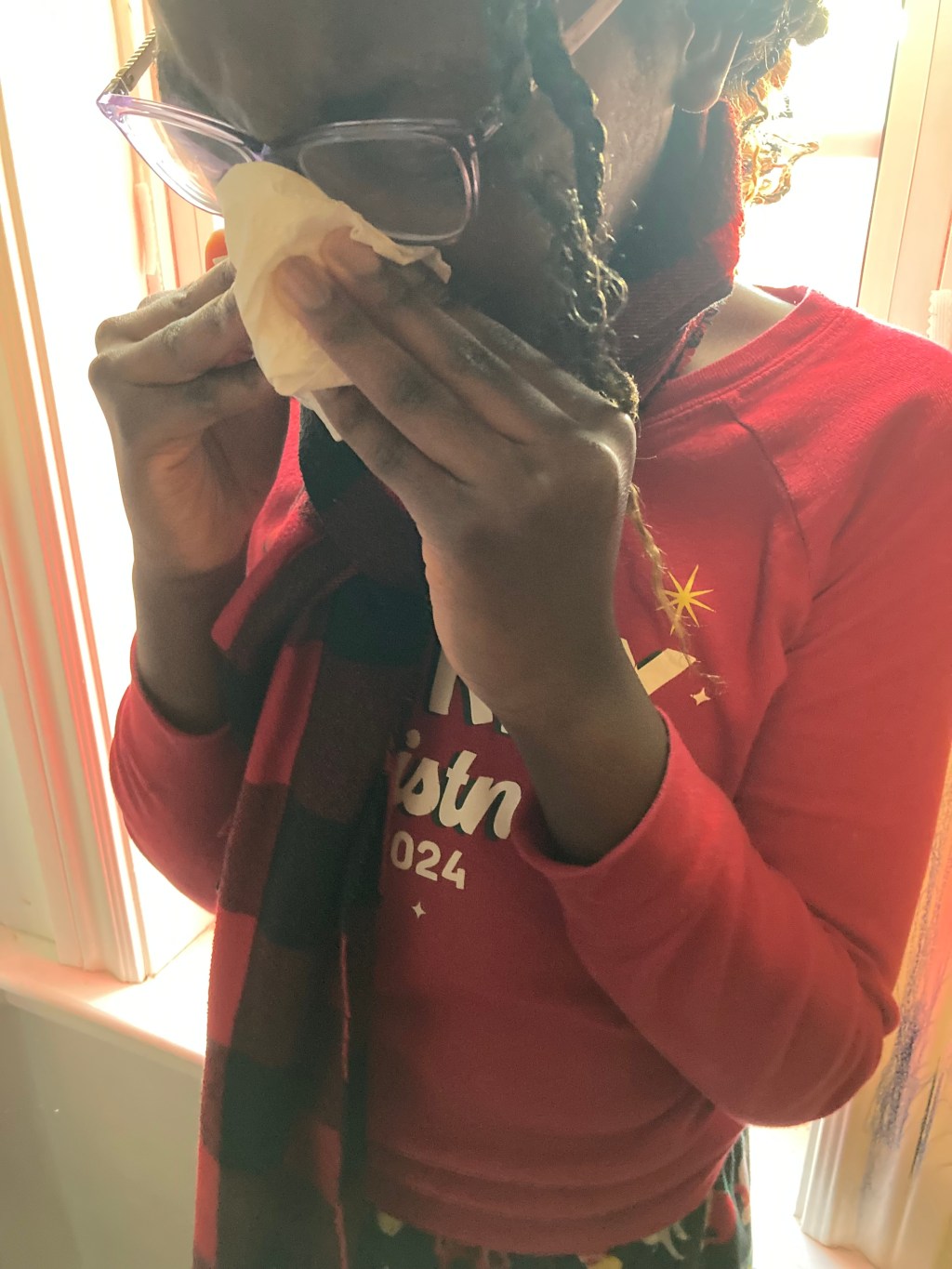
    I’ve always respected the flu. I’ve seen it in clinics, read the data, and given the advice. But this season? It humbled me.

    I’ve had the flu twice.

    The first time, I bounced back faster than expected. I told myself, Okay, that wasn’t great, but I survived. I went back to life, back to routine, back to underestimating what was still circulating out there.

    Then the second episode hit.

    And it knocked me completely flat.

    This time, it wasn’t just “feeling unwell.” It was severe body aches—the kind where every muscle feels bruised from the inside. Throbbing headaches that made opening my eyes painful. A deep, painful cough that felt like it was tearing through my chest. I was exhausted in a way sleep couldn’t fix.

    I was bed-bound.

    For two full days, my entire household had to stay home. No school. No work. No errands. Just recovery, isolation, and hoping things wouldn’t get worse. It wasn’t just my illness—it disrupted my whole family’s life.

    That’s when it really sank in: the flu is not “just a bad cold.”

    This Flu Season Is Already Surging

    This year’s flu season has arrived early and is spreading rapidly across Canada. Health agencies are reporting a sharp rise in influenza activity, especially due to the A(H3N2) strain and its subvariant, A(H3N2) subclade K, which appears to be circulating widely and hitting young and elderly people hard. All regions throughout the country are reporting increases in flu cases, outbreaks, and even hospitalizations.

    In Ontario alone, hospitals are warning of influenza ICU admissions up more than 120%, and health authorities are sounding the alarm as emergency rooms fill with flu patients and respiratory illnesses surge.

    Public Health Guidance: What You Should Know

    Here’s the up-to-date guidance from health units in Ontario and public health authorities across Canada:

    1. Get Your Flu Shot — Now
    The National Advisory Committee on Immunization (NACI) and local health units strongly recommend that everyone six months of age and older get a seasonal influenza vaccine every yearCanada Flu vaccines are widely available through doctors, nurse practitioners, public health clinics, and participating pharmacies

    The vaccine can take about two weeks to provide full protection, so the earlier you get it, the better — especially with cases on the rise and flu activity predicted to peak in late December or early January.

    2. Vaccination Still Matters Even if the Strain Has Mutated
    The H3N2 strain circulating right now has changed somewhat since the vaccine was developed earlier in the year. That doesn’t mean the shot is useless — far from it. Public health units emphasize it still helps reduce severe illness, hospitalizations, and complications, even if it’s not a perfect match.

    3. Follow Common-Sense Prevention
    Public health guidance also includes:

    • Staying home when you’re sick
    • Washing hands often
    • Covering coughs and sneezes
    • Wearing a mask in crowded indoor spaces if needed
    • Improving indoor ventilation where possible
      These simple measures can help reduce spread — especially around people with lower immunity, older adults, or young children.

    My Personal Take: Why This Matters

    If you’ve never had the flu badly, you might chalk it up to “just another bug.” But this season’s virus and the early reports from hospital teams across Ontario and other provinces show serious illness is happening in real time — including in children and people who thought they were healthy.

    My own experience showed me how quickly the flu can knock you out of life — not just for a day, but for days. It reminded me that prevention isn’t just a slogan. It’s real. It protects real people.

    Final Thoughts: Protect Yourself and Others

    If you haven’t had your flu shot yet — please get it. If you’re around loved ones with lower immunity — mask up, especially indoors. If you’re feeling sick — stay home and avoid spreading it to others.

    I had the flu twice.
    The last one knocked me out.
    And I wouldn’t wish it on anyone.

    Take care of yourself.
    Take care of your people.
    And let’s get through this flu season smarter and healthier — together.


  • Jay’s Story

    I remember that evening clearly—the day I finally decided to take a walk around my neighbourhood.

    I knew I was obese. My clothes didn’t fit. My back hurt. And the person staring back at me in the mirror felt like a stranger. It was a not-so-chilly fall evening, and with equal parts hope and denial, I stepped outside.

    I made it past my driveway. Victory.

    Then onto the sidewalk. Less victory.

    I had already started panting, but I told myself, Just keep going. By the 200-metre mark, sharp, needle-like pains were piercing my lower back, and my legs felt like solid wood. But I’m stubborn—so I decided to go just a few more feet.

    That’s when my body staged a full-blown protest.

    As I took my next step, I collapsed on the sidewalk in agony. It was excruciating. And of course—because life enjoys irony—I didn’t have my phone. No calling for help. No dramatic rescue.

    Hot tears streamed down my face. How is it possible that I can’t even walk?

    There was a streetlight post nearby. I reached for it, pulled myself up slowly, and said a prayer. I calmed myself and decided to turn back. Every step felt like labour pains. I kept whispering to myself, If you survived labour, you can survive this.

    Eventually, I made it home and collapsed on my living room floor, staring at the ceiling.

    What had I done to myself?

    I knew how I got there. I was unemployed, caring for children, isolated, emotionally attached to food—eating my way through self-pity and loneliness. Food had become my comfort, my companion, my coping mechanism.

    I knew I needed help.

    So I booked an appointment with my nurse practitioner.

    She didn’t sugarcoat it.

    “You are morbidly obese—BMI 42 kg/m². You are hypertensive. You are prediabetic. And you need to see a specialist.”

    I was crushed. Disappointed. Ashamed. Food—and the lack of movement—had brought me here.

    The specialist wanted a stress ECG. He wanted me on Ozempic.

    Ozempic.

    I had reservations. I knew the root of my problem, and deep down, I knew no injection could fix what only I could change.

    So I started small. Painfully small.

    I did walk-at-home videos—15 minutes at a time. That helped, but my eating habits were still out of control.

    Then came my unexpected turning point.

    I had to travel to the United States for academic work—for two months. Suddenly, I didn’t have to cook. I had no car, so I was using public transport. Which meant… walking. A lot.

    It was summer. The streets were beautiful. Walking felt less like punishment and more like freedom.

    I started eating once a day. Sometimes, to save money, I ate once every two or three days. I drank plenty of water, ate apples and chewed gum. And slowly—miraculously—things began to change.

    I stopped panting.
    The weight started dropping.
    My skin looked fresher.
    I felt alive again.

    Soon, I was walking 5,000 steps a day. Then an hour a day. Then more.

    When I returned to Newfoundland, I kept walking. I started eating again—because life—but I made sure I walked every single day.

    Every time I completed my circuit, I felt gratitude.

    Because once upon a time, I couldn’t walk.

    And now, I can—without fear, without pain.

    A Public Health Reflection

    Here’s the twist: my personal journey reflects a much bigger picture in Canada.

    Despite knowing how vital physical activity is for our health, less than half of Canadian adults meet the recommended 150 minutes of moderate-to-vigorous physical activity each week. Only about 1 in 2 adults (18-64) and 1 in 4 older adults (65-79) in Canada are meeting this guideline

    At the same time, physical inactivity isn’t just a personal fitness issue—it’s a public-health concern. Inactivity costs Canada’s health-care system billions of dollars each year and contributes to chronic diseases like heart disease, diabetes, and hypertension—the very conditions I was grappling with.

    And this isn’t just statistics on a page—it’s people’s lives. Many Canadians face barriers that make moving more difficult: neighbourhoods without safe walking spaces, jobs that keep them sedentary, emotional stressors, caregiving demands, mental health struggles, and limited access to supportive environments.

    That’s why public health isn’t about lecturing people to “just walk more.” It’s about creating environments that make walking safe, enjoyable, and accessible for everyone—people of all ages, abilities, incomes, and communities.

    Walking isn’t trivial.
    It’s prevention.
    It’s rehabilitation.
    It’s dignity.

    And for me?
    It became my way back to life.

    Once upon a time, I couldn’t walk.

    Today, I walk—with joy, with gratitude … and with a deeper understanding of why movement matters not just for me, but for all of us.


  • Action for Healthy NL Communities

    At NL Action Network, we believe total health goes beyond the doctor’s office. We promote well-being for all—physical, mental, and social—through education, collaborative community action, linkage to services.

    We support the NL Health Accord. We work with families, youth, and communities. Our goal is to make health more accessible, fair, and sustainable.


    Our Mission

    To advance health and wellness for all communities in NL by delivering innovative programs, awareness campaigns, and partnerships that support NL Health Accord’s goals of equity, access, and sustainability.


    What We Do

    • Awareness Campaigns: Public campaigns addressing issues like alcohol-related harms, healthy eating, mental wellness, chronic disease prevention, and substance use.
    • Youth Programs: Engaging workshops, peer-led initiatives, and school-based programs that empower young people to lead healthier lives.
    • Community Education: Health fairs, seminars, and digital outreach bringing practical knowledge directly to communities.
    • Collaborative Projects: Partnering with local organizations to strengthen cultural, social, and health supports for families and individuals.

    Why We Matter

    Newfoundland and Labrador faces unique health challenges—geographic barriers, an aging population, rising chronic conditions, mental health concerns and substance use.

    Meaningful change requires collaboration at every level. That’s where NL Action Network steps in: bridging communities and government, promoting awareness, and mobilizing people for action.

    Together, we can build healthier, stronger, and more resilient communities across NL.


    CONTACT

    Email- info@nlactionnetwork.com

    Follow Us on Facebook